


Wer an der Bildung großer Weltmarken mitwirkt, für den sind Oberfläche, Design und Farbe sowie die Komplexität beim Zusammenführen anspruchsvoller Baugruppen Fußnoten im Pflichtenheft. Die Formgebung und Veredelung von Kunststoffelementen gehört seit Jahrzehnten zu unseren Kernkompetenzen – und gewinnt zum Beispiel in der Automobilindustrie zusammen mit der Elektromobilität zunehmend an Bedeutung. Individualisierte Lösungen, das atemberaubende Tempo von der Idee bis zur Serienreife sowie die Beherrschung enger Toleranzen und großer Serien sind unsere historisch gewachsenen Wegbegleiter und machen uns als Spezialist für das Tiefziehen so interessant für die Automobilindustrie.
Eine 200jährige Firmengeschichte schreibt nur, wer in der Lage ist, sich Veränderung zuzumuten und Chancen zu ergreifen. Der Weg vom Dekorglas-Hersteller über die Erfolgsgeschichte des Produzenten für Leuchtwerbesysteme bis zum Entwicklungspartner für die Automobilindustrie war für das Unternehmen BORSI vor allem eines: das Ergebnis konsequenter Veränderung, Anpassungsbereitschaft, Neugierde und Kundenorientierung. Und auch heute gilt: Gerade fängt die Zukunft wieder an! Schön, wenn Sie dabei sind!
Leistungen
„Ein Auto ist die Summe aller Toleranzen“, behauptet man. Wir sehen ein Auto und selbstverständlich auch alle anderen Produkte für sämtliche technischen Branchen in unserem anspruchsvollen Kundenportfolio lieber als das Ergebnis intelligenter Zusammenführung größter Expertise. Deshalb tragen wir mit unserer vollstufigen Produktion dazu bei, nicht nur optimale, sondern auch preisgünstige und dennoch außergewöhnliche Lösungen zu schaffen. Erfolgreiche Unternehmen der Kunststoffverarbeitung wie BORSI zeichnen sich durch qualitativ hochwertige Produkte, eine hohe Produktivität und große Flexibilität aus. Dies gilt für Beratung, Entwicklung, Prototypenherstellung sowie Serienfertigung und Logistik.
Leistungen
„Ein Auto ist die Summe aller Toleranzen“, behauptet man. Wir sehen ein Auto und selbstverständlich auch alle anderen Produkte für sämtliche technischen Branchen in unserem anspruchsvollen Kundenportfolio lieber als das Ergebnis intelligenter Zusammenführung größter Expertise. Deshalb tragen wir mit unserer vollstufigen Produktion dazu bei, nicht nur optimale, sondern auch preisgünstige und dennoch außergewöhnliche Lösungen zu schaffen. Erfolgreiche Unternehmen der Kunststoffverarbeitung wie BORSI zeichnen sich durch qualitativ hochwertige Produkte, eine hohe Produktivität und große Flexibilität aus. Dies gilt für Beratung, Entwicklung, Prototypenherstellung sowie Serienfertigung und Logistik.

Beratung
Beratung
BORSI steht für die Suche nach der perfekten Lösung im Bereich Thermoformen. Deshalb können Sie bereits in der Planungsphase kompetente Gesprächspartner erwarten: auf Ingenieurebene im technischen Bereich, auf kaufmännischer Ebene in der Kalkulation und auf der Verwaltungsebene für die spätere Abwicklung Ihres Projekts. Wir stellen Ihnen ein Team zusammen, das lösungsorientiert mit Ihnen gemeinsam die Aufgaben, die Ideen und die Abläufe fixiert und umsetzt – ein Team, das sehr gut vernetzt ist in Ihren Interessen.
Entwicklung
Entwicklung
Nur wer die Komplexität eines Produkts sowie die Komplexität des Prozesses seiner Herstellung beherrscht, ist in der Lage, an seiner Entwicklung erfolgreich teilzuhaben. Wir entwickeln auf Basis Ihrer Anforderungen den geeigneten Fertigungsprozess. Ihre Daten können wir zur Weiterverarbeitung in unser CAD-System übernehmen.

Prototypenherstellung
Prototypenherstellung
Einmal ist eben nicht kein Mal! Weil die Prototypenherstellung für Sie als unseren Kunden maßgeblich zum Gelingen Ihrer Arbeit beiträgt, stehen unsere Experten aus den Bereichen Technik und Konstruktion an der Seite Ihrer Ideen. Wenn wir diese für Sie materialisieren, erfolgt die Prototypenherstellung bereits in dem für Sie als Kunde individuell designten Prozess. Nach Ihrer Validierung und Freigabe schließt sich die Abbildung des Serienprodukts an.
Serienfertigung
Serienfertigung
Auch wenn das Vakuumformen als besonders geeignet für klein- bis mittelgroße Serien gilt: BORSI steht auch für die reibungslose Bewältigung großer Serien. Dafür sorgt unser Maschinenpark mit den größten Thermoformmaschinen am Markt, sowie das Know-how eines rund 150köpfigen Teams.
In enger Abstimmung mit unseren Auftraggebern stellen wir fristgerechte Liefermengen und –zeiten sicher. Klar definierte Prozesse sowie regelmäßige Stichproben und Prüfungen garantieren eine wirtschaftliche Produktion und gleichbleibend hohe Qualitäten, ohne auf Flexibilität verzichten zu müssen. Unsere Prozesse sind selbstverständlich ISO9001-zertifiziert.

Logistik
Logistik
Die intelligente Ausrichtung unserer Strukturen erlaubt es uns, nicht nur bei Forschung und Entwicklung, sondern auch in der Logistik auf den sich stetig beschleunigenden Time-to-Market-Druck die richtigen Antworten zu geben. Von „just-in-time“ bis „just-in-sequence“, von Supply-Chain-Management bis Industrie 4.0: Kundenspezifische Prozesse stellen die Koordinaten dar, nach denen wir unsere Logistik ausrichten. Eine Selbstverständlichkeit für uns: Die dauerhafte, schnelle und zuverlässige Belieferung unserer Kunden sicher zu stellen.

Karriere
Karriere
Unternehmen sind aus Menschen gemacht – zusammengehalten werden diese durch Leidenschaft, der Loyalität zwischen Organisation und Arbeitnehmer und der Bestätigung, dass alle miteinander das Richtige tun. Unsere 200jährige Geschichte beweist: Der Erfolg war stets auf unserer Seite!
Werden Sie Teil unseres Teams, das immer nach vorne blickt, Veränderungen begrüßt, sich auf die Zukunft freut und jederzeit zum Durchstarten bereit ist. Heute trifft Siebdruck auf die Thermoformingbranche, und Spezialisten für die Exzellenz des Leichten und Sichtbaren bereichern Zukunftsindustrien auf ihre ganz spezielle Weise.
Wir sind uns dabei unserer Verantwortung gegenüber unseren Mitarbeitern und Kunden genauso bewusst wie der Verantwortung, die wir für unsere Umwelt tragen.

Beratung
BORSI steht für die Suche nach der perfekten Lösung im Bereich Thermoformen. Deshalb können Sie bereits in der Planungsphase kompetente Gesprächspartner erwarten: auf Ingenieurebene im technischen Bereich, auf kaufmännischer Ebene in der Kalkulation und auf der Verwaltungsebene für die spätere Abwicklung Ihres Projekts. Wir stellen Ihnen ein Team zusammen, das lösungsorientiert mit Ihnen gemeinsam die Aufgaben, die Ideen und die Abläufe fixiert und umsetzt – ein Team, das sehr gut vernetzt ist in Ihren Interessen.

Entwicklung
Nur wer die Komplexität eines Produkts sowie die Komplexität des Prozesses seiner Herstellung beherrscht, ist in der Lage, an seiner Entwicklung erfolgreich teilzuhaben. Wir entwickeln auf Basis Ihrer Anforderungen den geeigneten Fertigungsprozess. Ihre Daten können wir zur Weiterverarbeitung in unser CAD-System übernehmen.

Prototypenherstellung
Einmal ist eben nicht kein Mal! Weil die Prototypenherstellung für Sie als unseren Kunden maßgeblich zum Gelingen Ihrer Arbeit beiträgt, stehen unsere Experten aus den Bereichen Technik und Konstruktion an der Seite Ihrer Ideen. Wenn wir diese für Sie materialisieren, erfolgt die Prototypenherstellung bereits in dem für Sie als Kunde individuell designten Prozess. Nach Ihrer Validierung und Freigabe schließt sich die Abbildung des Serienprodukts an.
Serienfertigung
Auch wenn das Vakuumformen als besonders geeignet für klein- bis mittelgroße Serien gilt: BORSI steht auch für die reibungslose Bewältigung großer Serien. Dafür sorgt unser Maschinenpark mit den größten Thermoformmaschinen am Markt, sowie das Know-how eines rund 150köpfigen Teams.
In enger Abstimmung mit unseren Auftraggebern stellen wir fristgerechte Liefermengen und –zeiten sicher. Klar definierte Prozesse sowie regelmäßige Stichproben und Prüfungen garantieren eine wirtschaftliche Produktion und gleichbleibend hohe Qualitäten, ohne auf Flexibilität verzichten zu müssen. Unsere Prozesse sind selbstverständlich ISO9001-zertifiziert.

Logistik
Die intelligente Ausrichtung unserer Strukturen erlaubt es uns, nicht nur bei Forschung und Entwicklung, sondern auch in der Logistik auf den sich stetig beschleunigenden Time-to-Market-Druck die richtigen Antworten zu geben. Von „just-in-time“ bis „just-in-sequence“, von Supply-Chain-Management bis Industrie 4.0: Kundenspezifische Prozesse stellen die Koordinaten dar, nach denen wir unsere Logistik ausrichten. Eine Selbstverständlichkeit für uns: Die dauerhafte, schnelle und zuverlässige Belieferung unserer Kunden sicher zu stellen.

Karriere
Unternehmen sind aus Menschen gemacht – zusammengehalten werden diese durch Leidenschaft, der Loyalität zwischen Organisation und Arbeitnehmer und der Bestätigung, dass alle miteinander das Richtige tun. Unsere 200jährige Geschichte beweist: Der Erfolg war stets auf unserer Seite!
Werden Sie Teil unseres Teams, das immer nach vorne blickt, Veränderungen begrüßt, sich auf die Zukunft freut und jederzeit zum Durchstarten bereit ist. Heute trifft Siebdruck auf die Thermoformingbranche, und Spezialisten für die Exzellenz des Leichten und Sichtbaren bereichern Zukunftsindustrien auf ihre ganz spezielle Weise.
Wir sind uns dabei unserer Verantwortung gegenüber unseren Mitarbeitern und Kunden genauso bewusst wie der Verantwortung, die wir für unsere Umwelt tragen.
Stoffkaschierter Dachhimmel
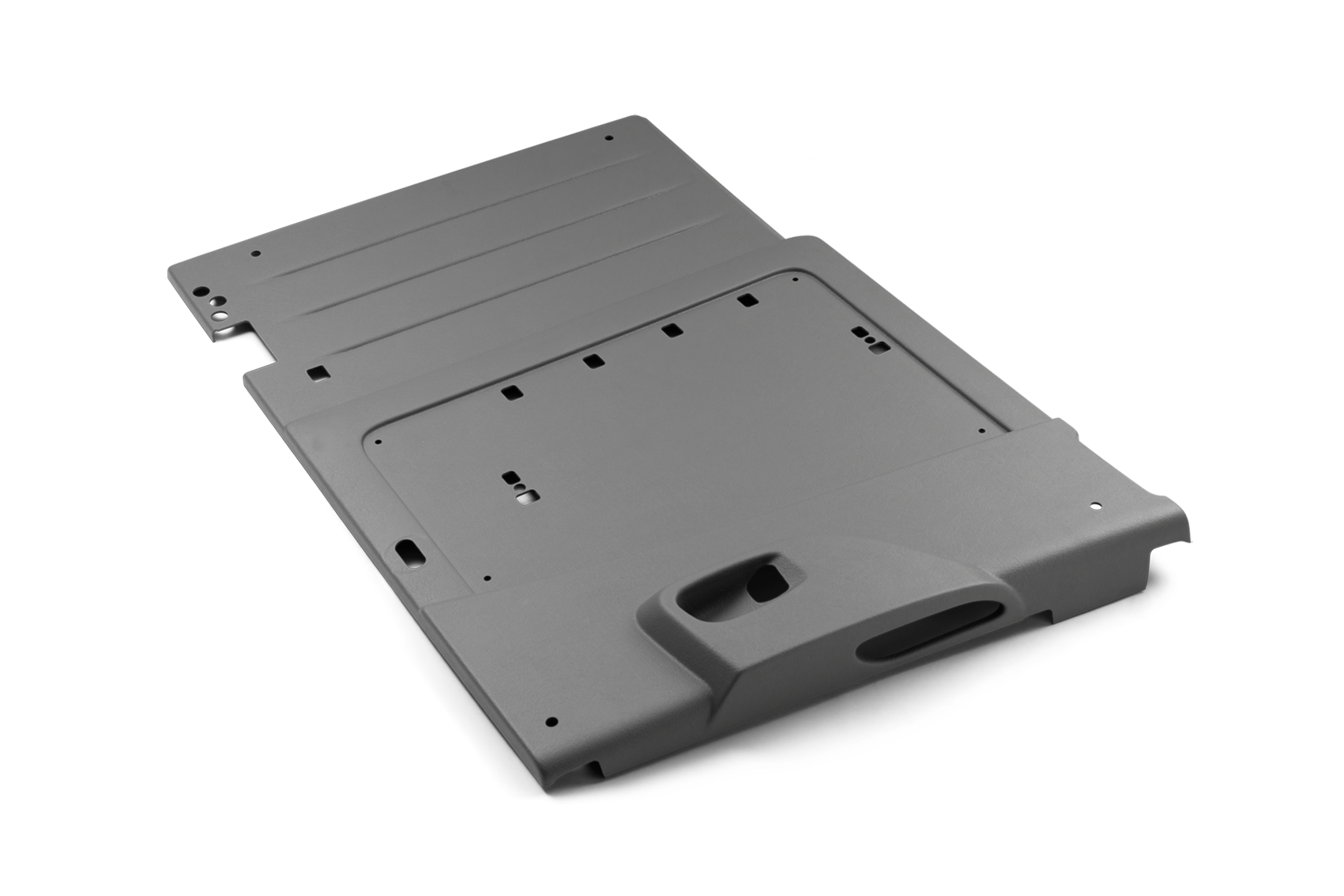
LKW-Türinnenverkleidung
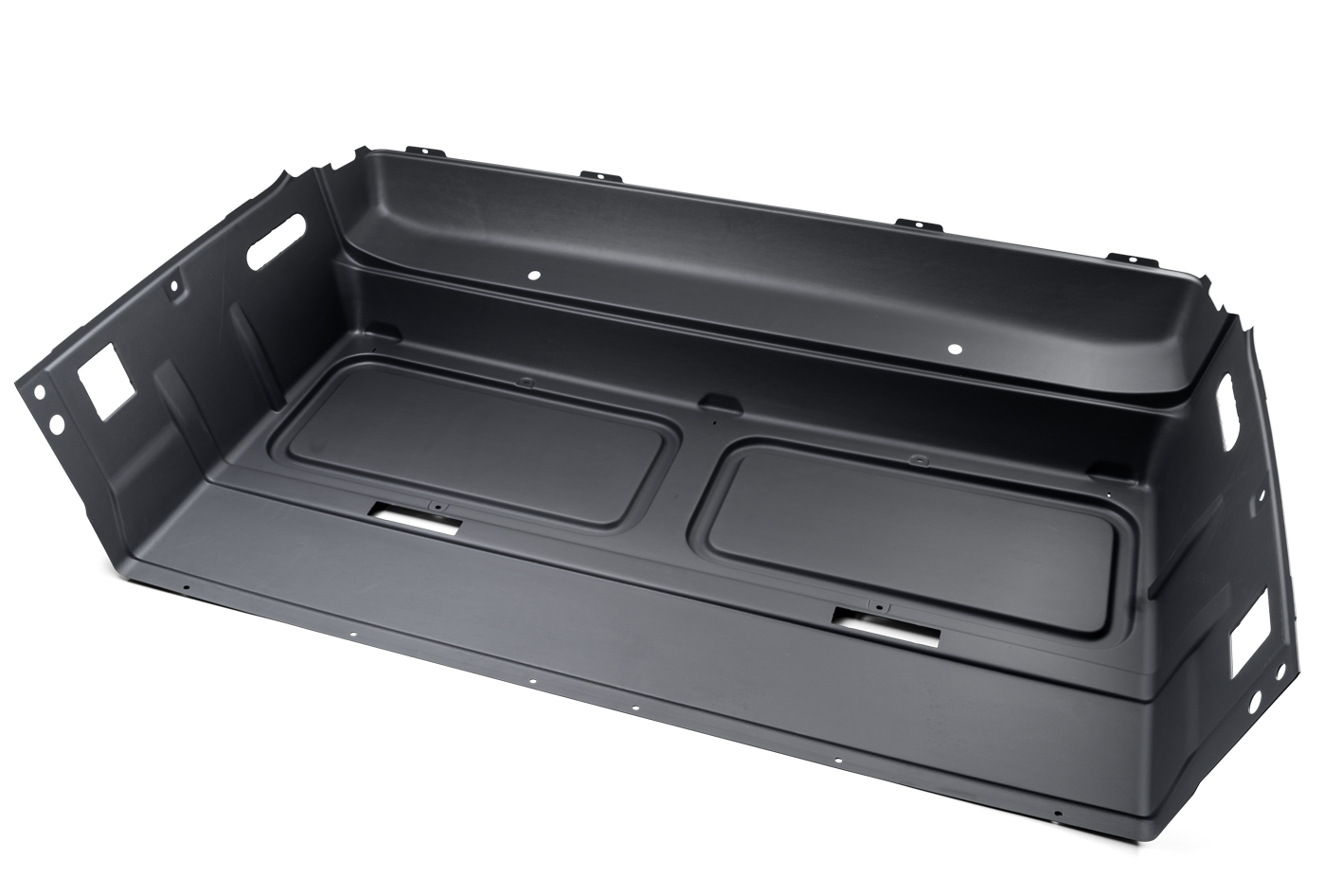
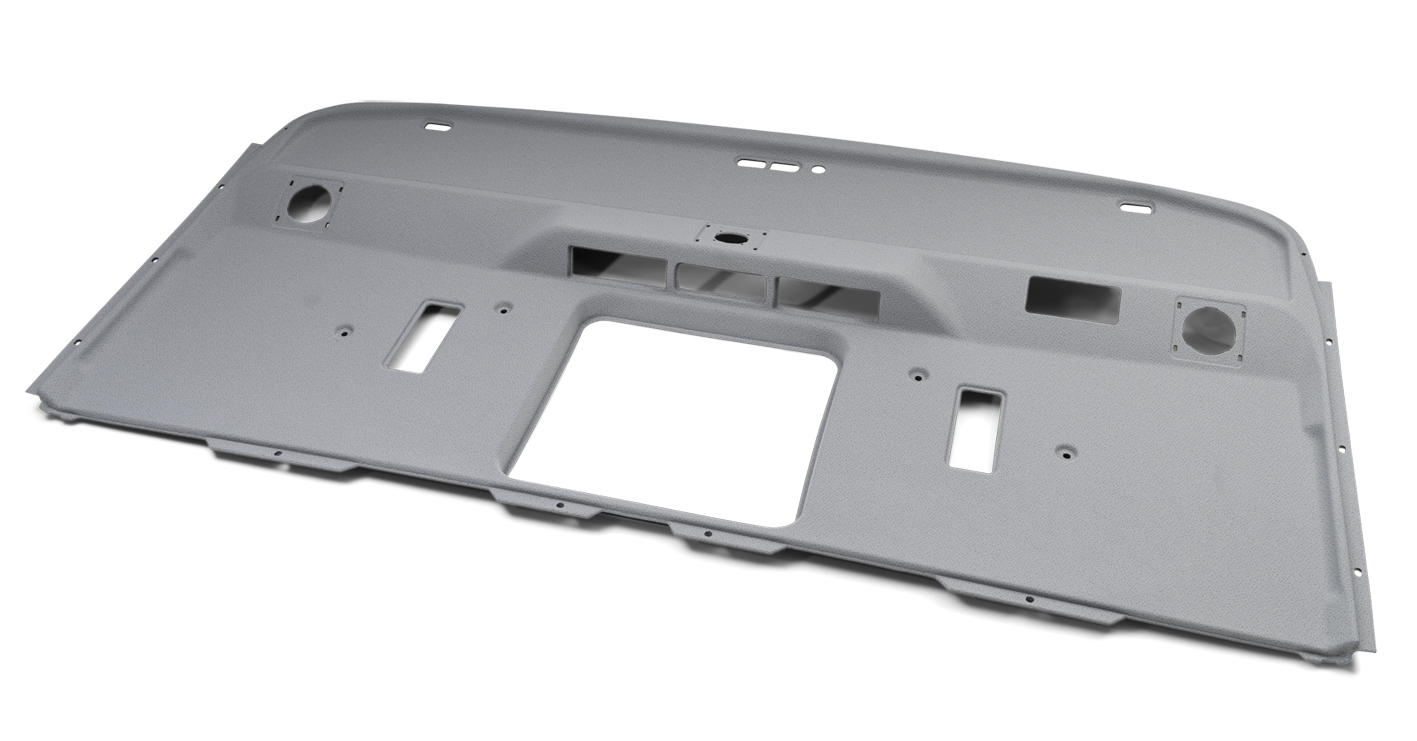
LKW-Rückwand
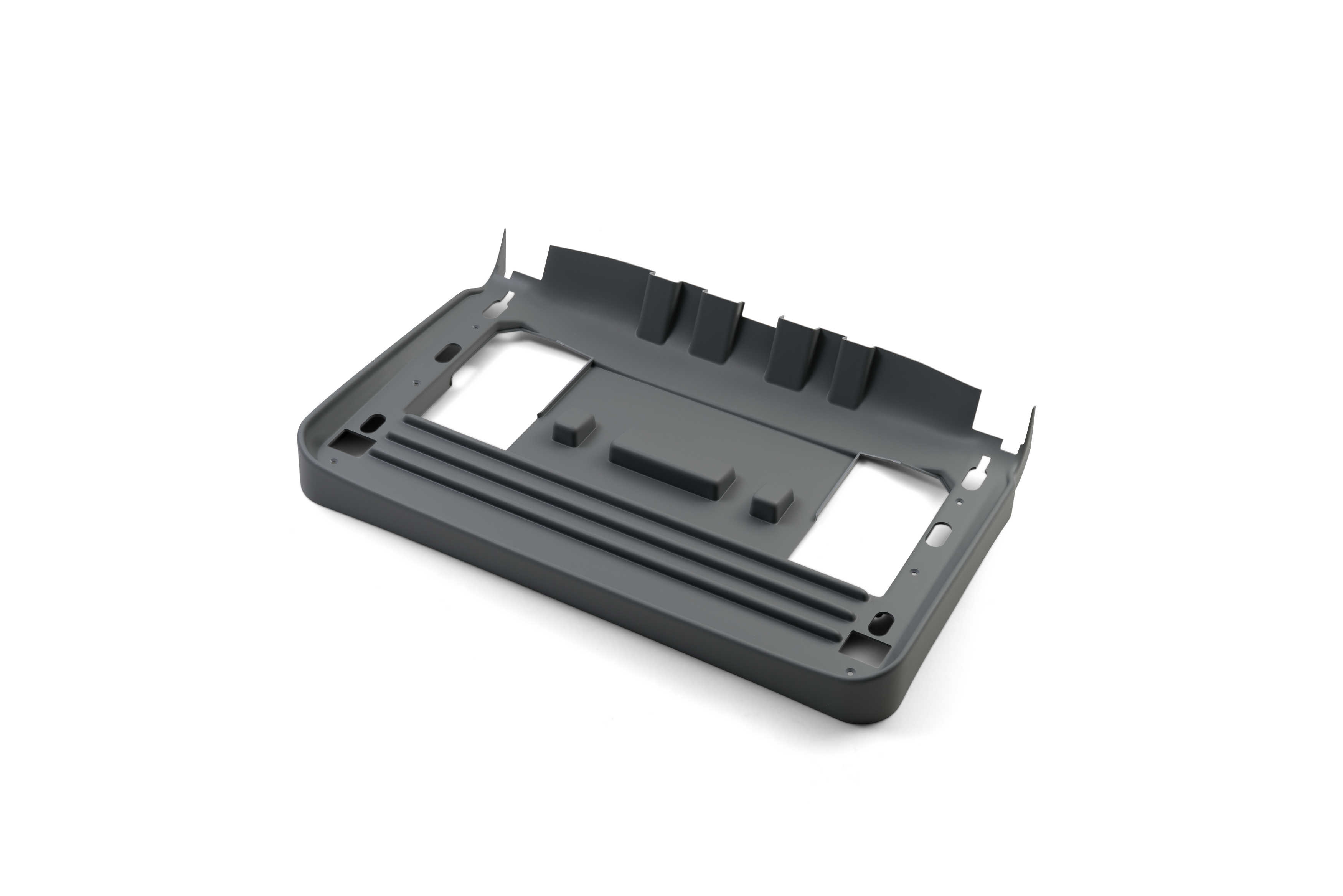
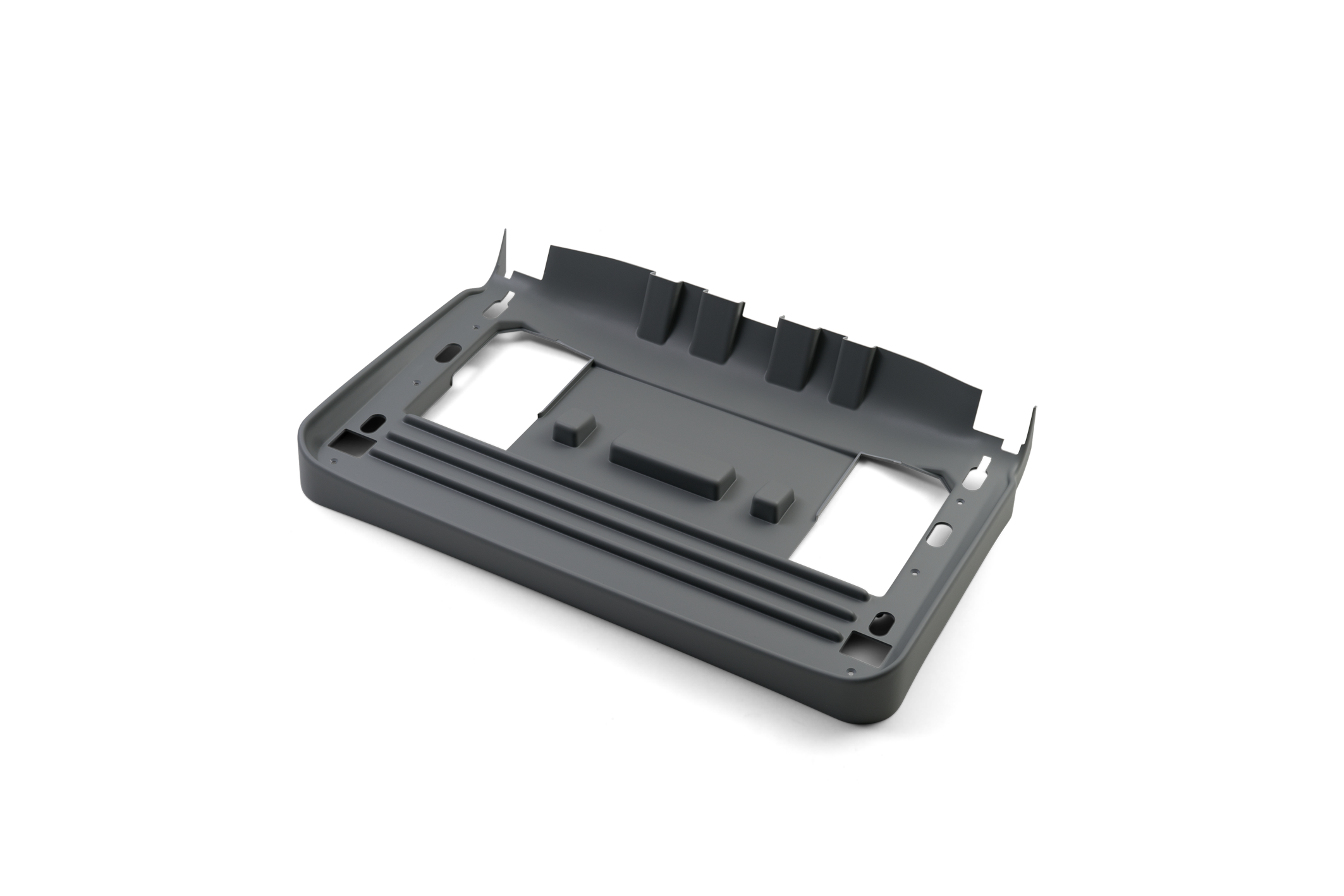
Bus-Sitzschale
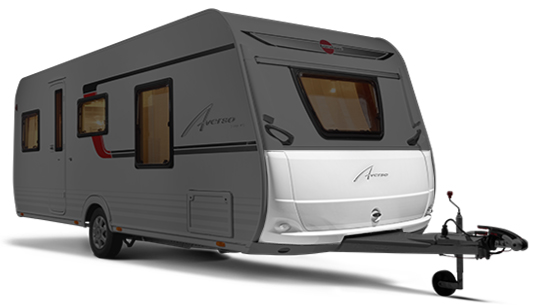
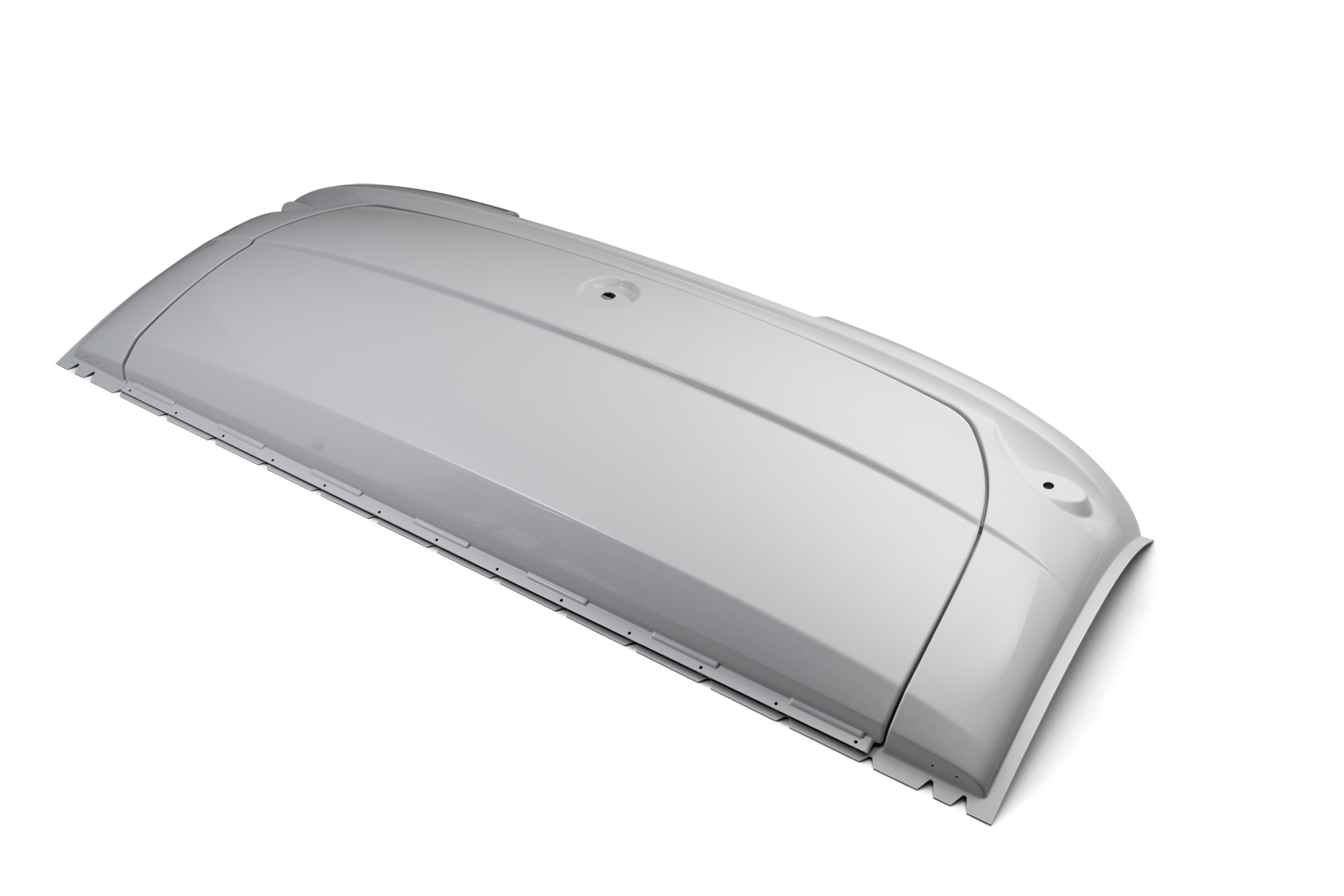
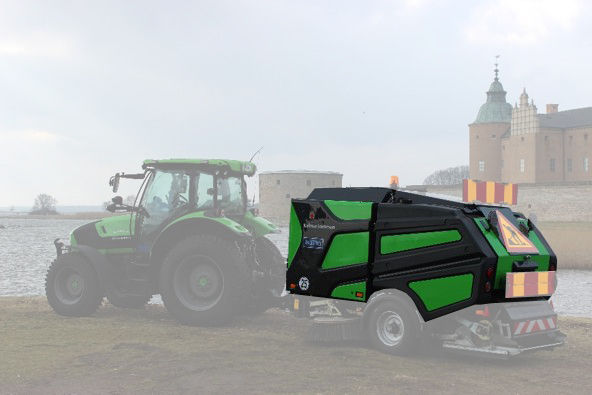
Kehrmaschinenseitenverkleidung außen
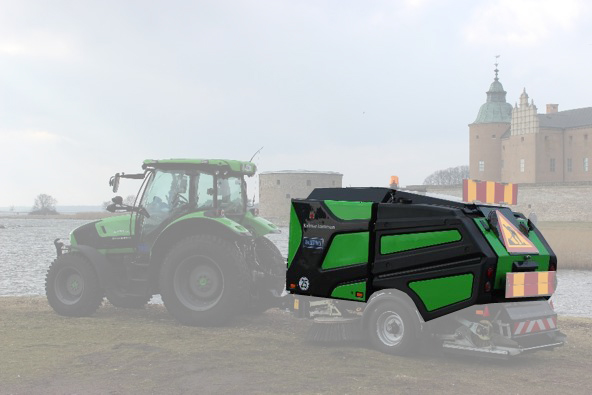
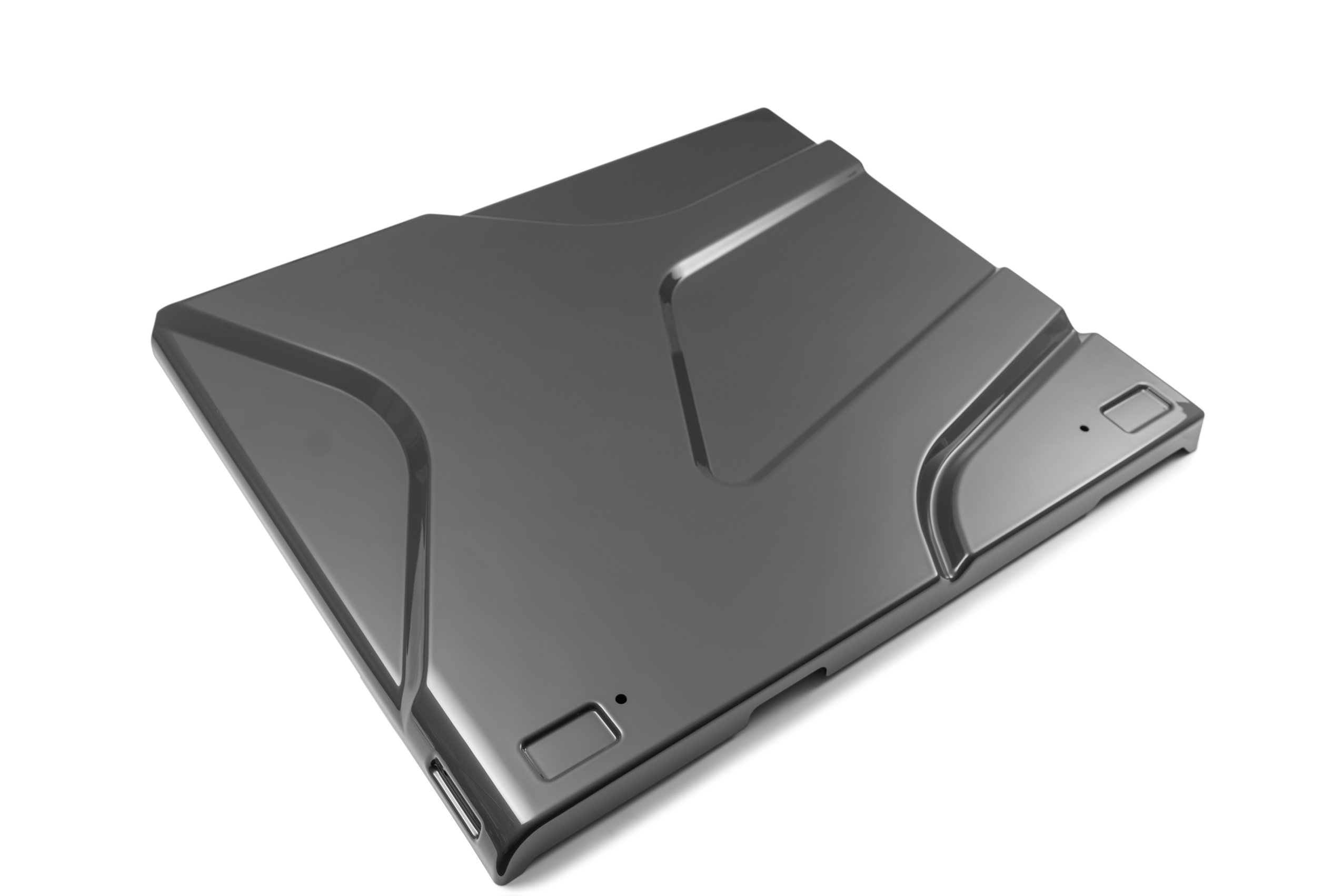
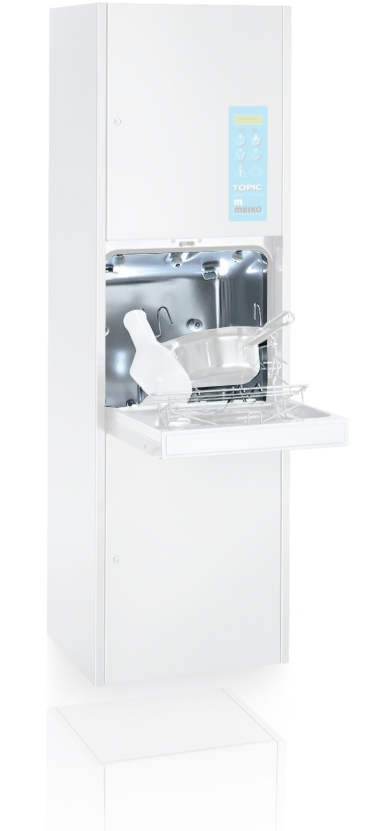
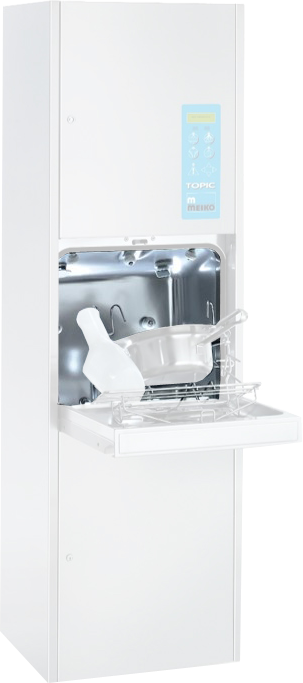
Innenabdeckung Spülmaschine
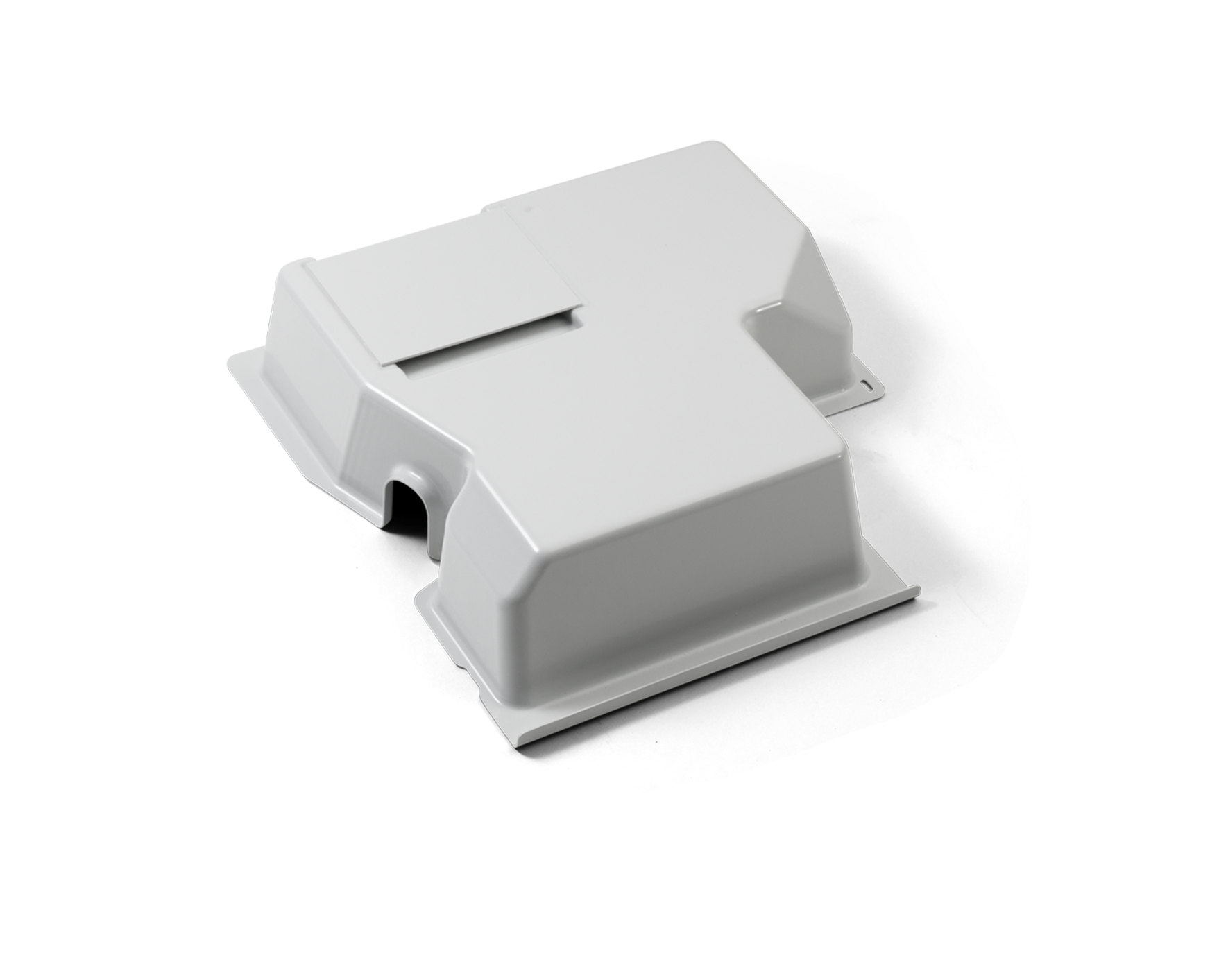
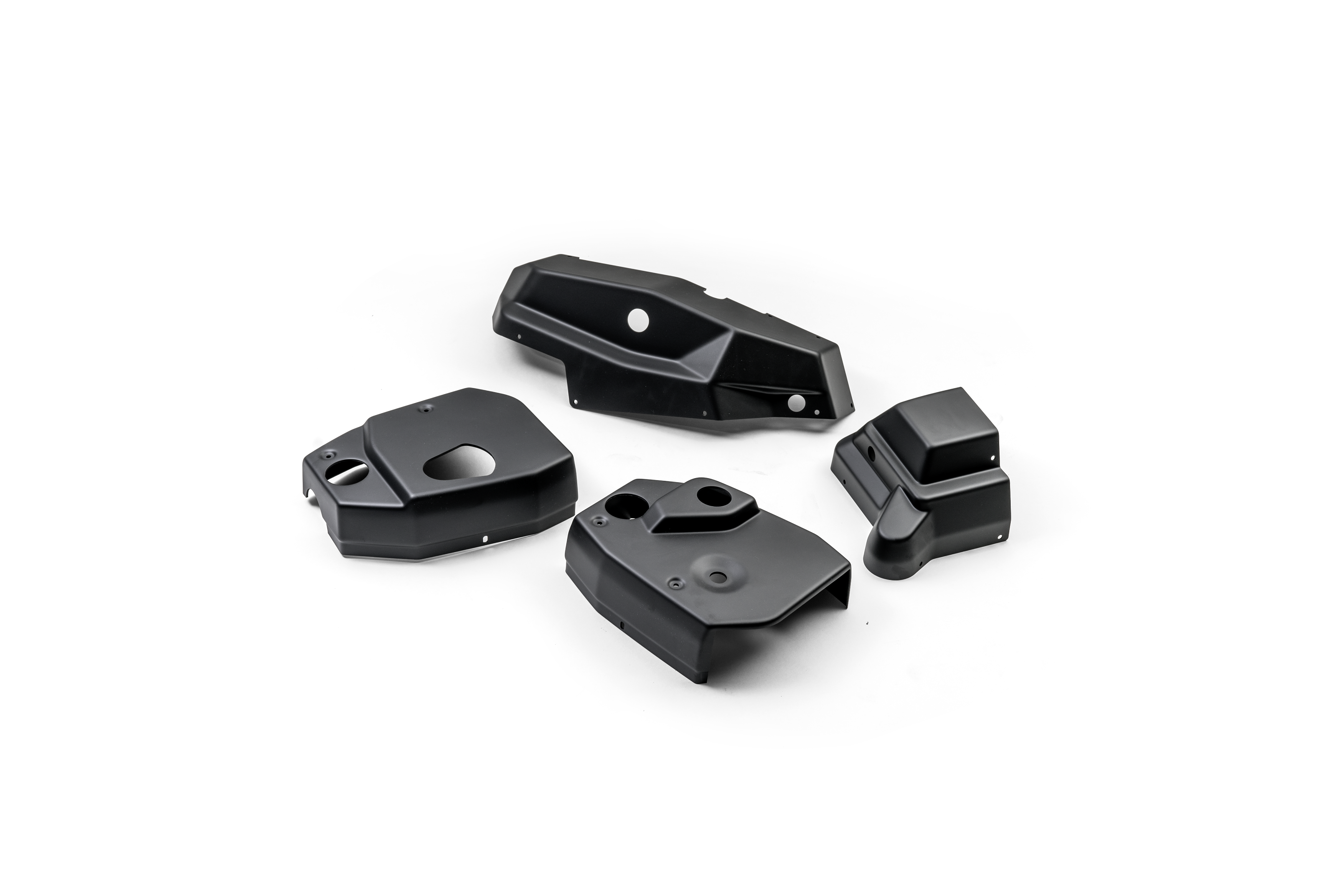
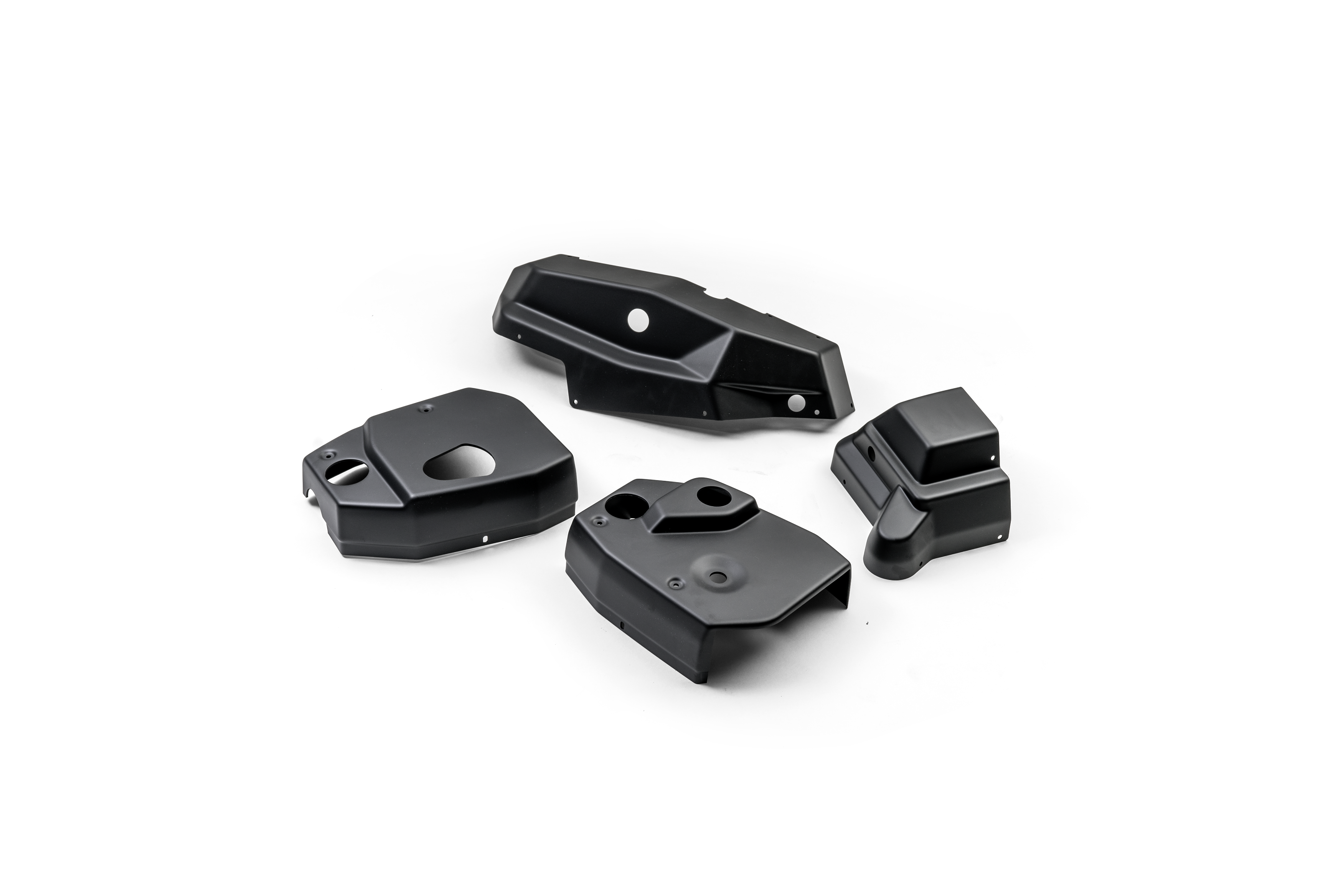
Instrumentenabdeckungen

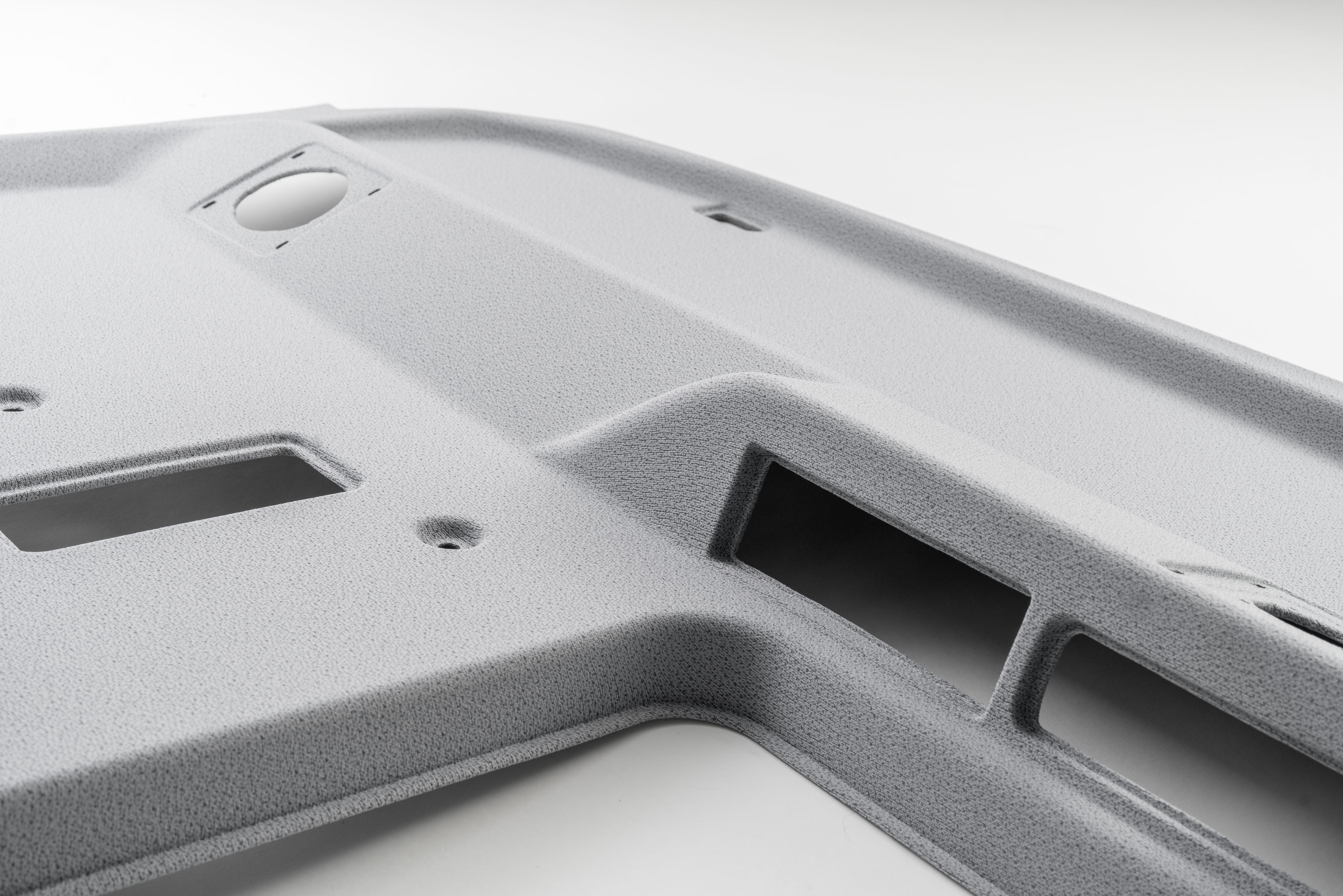
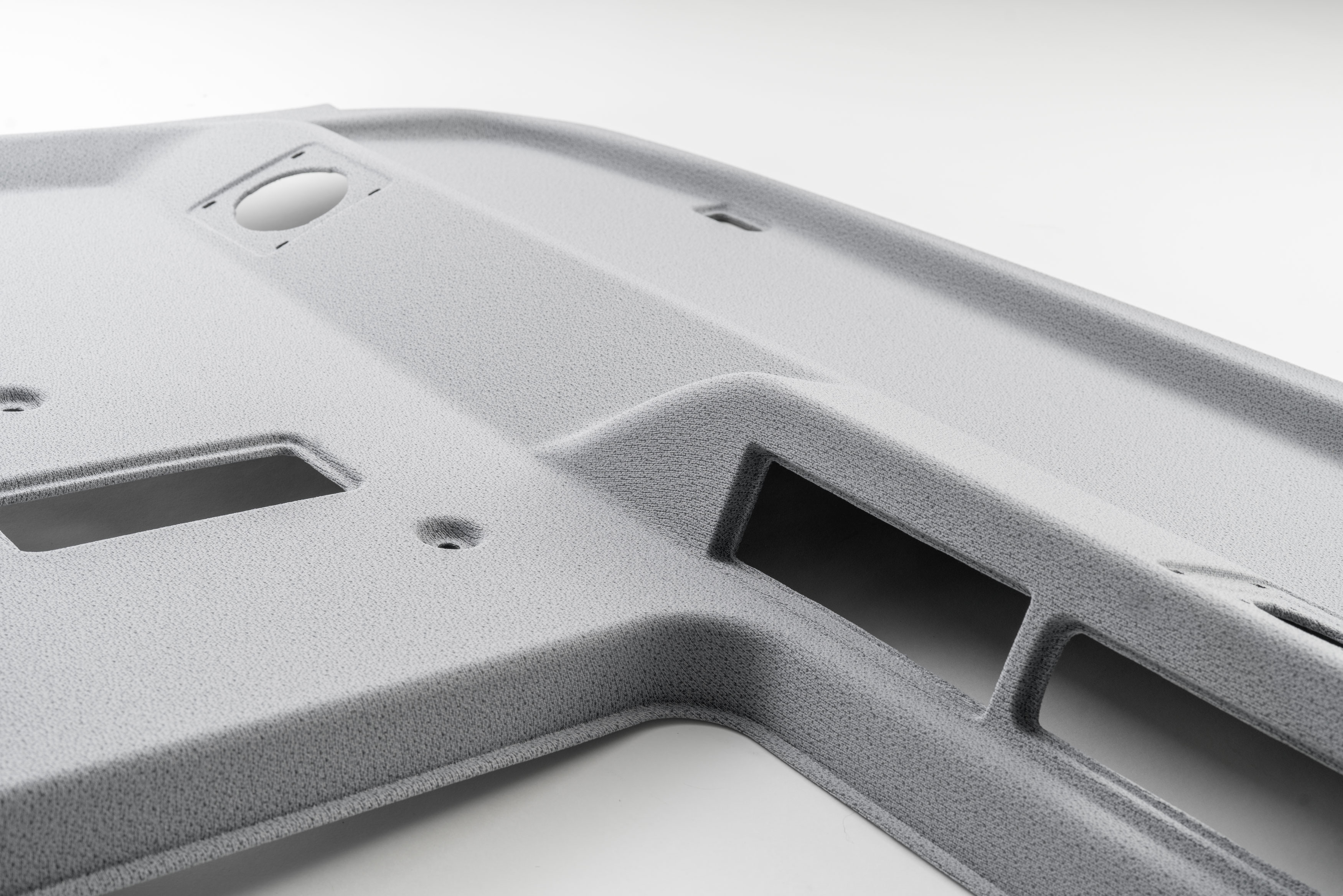
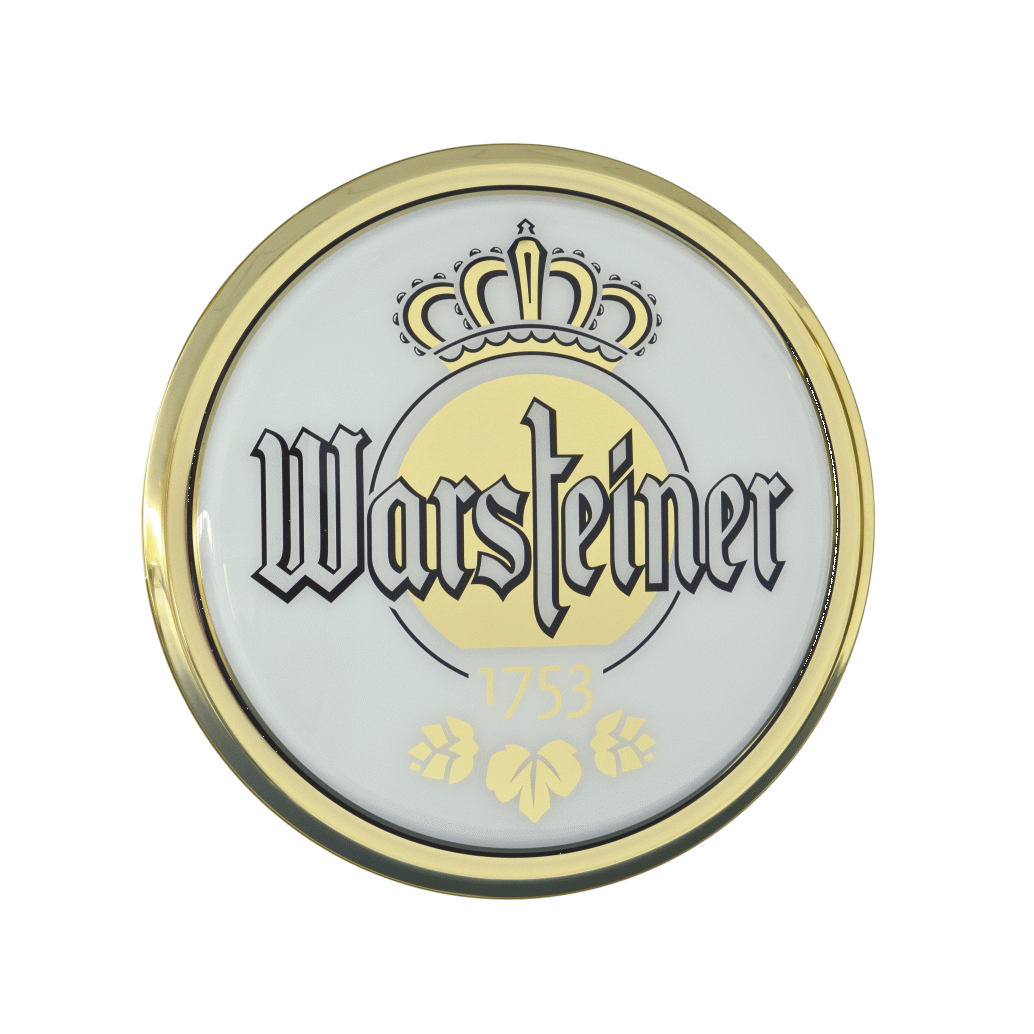
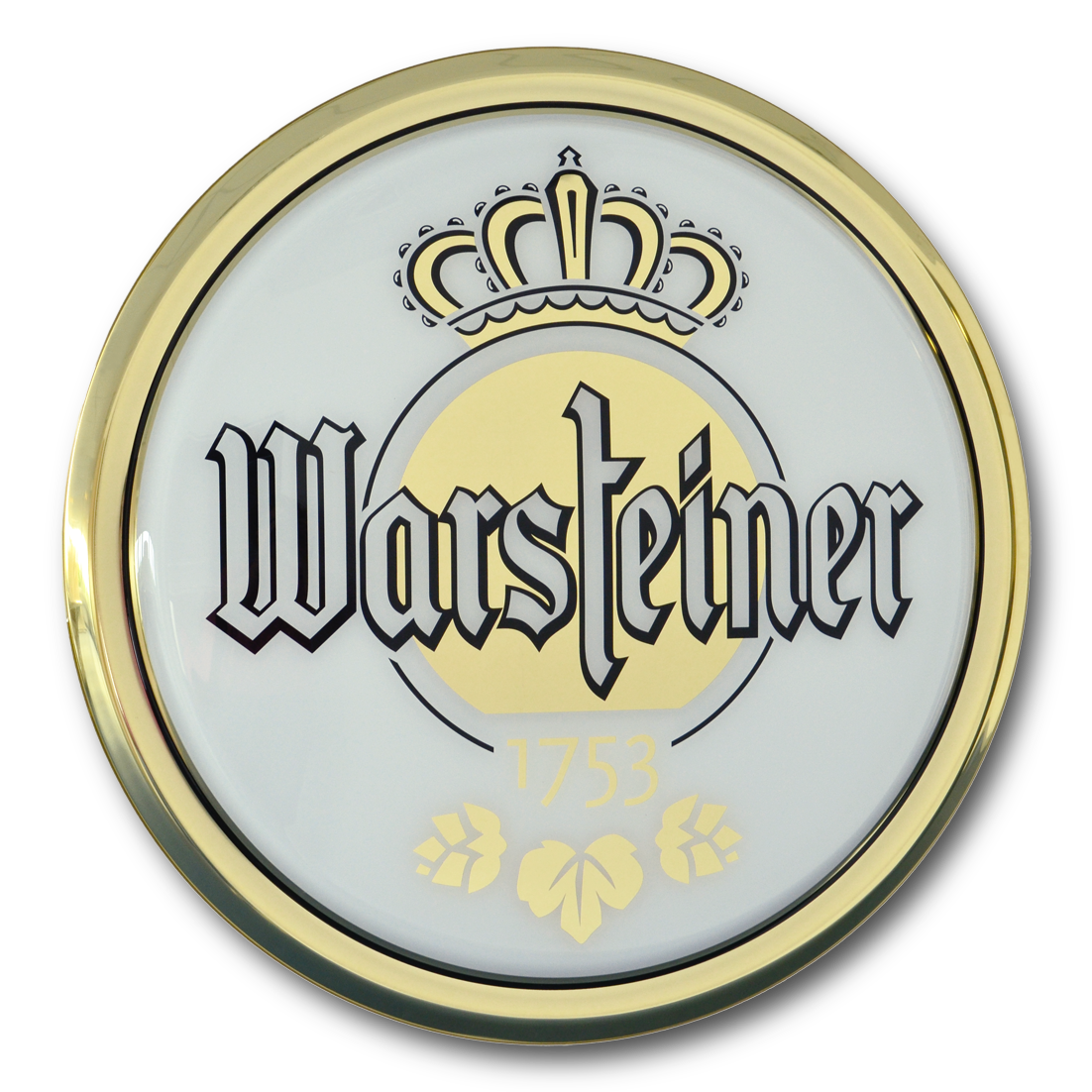
Hochwertiger Siebdruck
Stoffkaschierter Dachhimmel
LKW-Türinnenverkleidung
LKW-Rückwand
Bus-Sitzschale
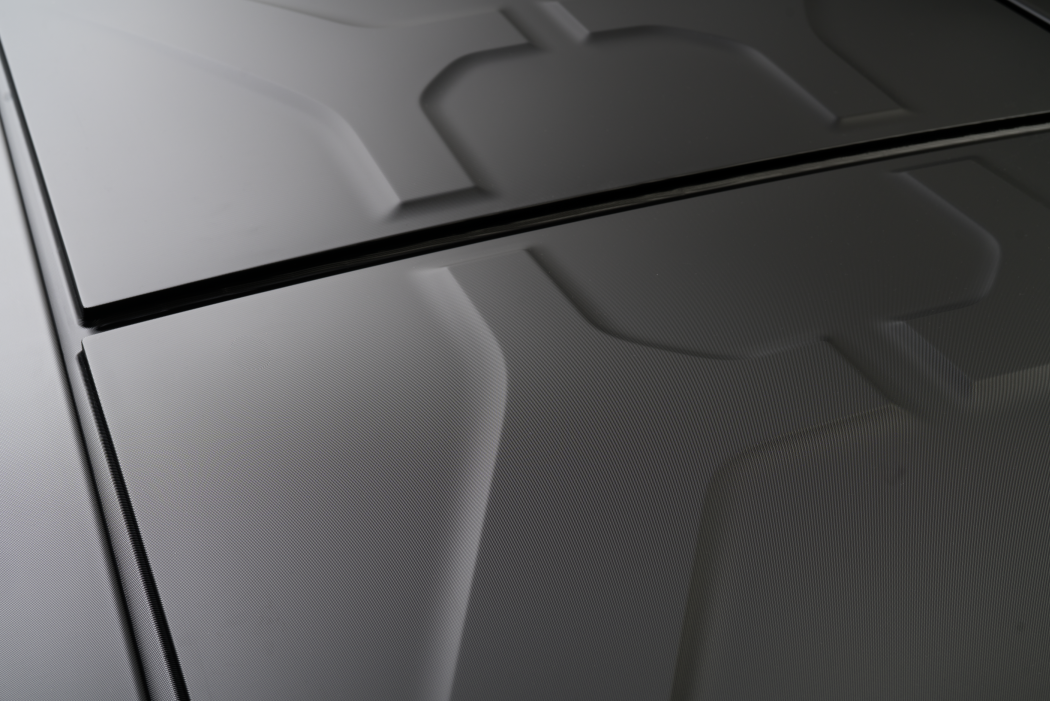
Kehrmaschinenseitenverkleidung außen
Innenabdeckung Spülmaschine
Instrumentenabdeckungen
Hochwertiger Siebdruck
Soziales Engagement
Als Unternehmen sind wir immer Teil unseres Umfeldes und sind uns daher unserer Verantwortung gegenüber unseren Mitmenschen genauso bewusst wie der Verantwortung, die wir für unsere Umwelt tragen.
Wir unterstützen schon seit Jahren die Aktion Mensch mit ihren vielfältigen sozialen Projekten für Menschen mit Behinderung, Kinder und Jugendliche oder Menschen in besonders schwierigen sozialen Verhältnissen in ganz Deutschland. Denn auch wir möchten Inklusion und Zusammenhalt in der Gesellschaft stärken und uns für unsere Mitmenschen einsetzen.